Truck Performance Upgrades: What to Do First Under the Hood
October 21, 2026
Truck Performance Upgrades: Intake, Exhaust, Cooling, and Tuning in the Right Order
Your truck already looks the part. Wheels, tires, stance, done. Now you want it to run like it looks.
What most people don't understand is that engine performance isn't a collection of different things all doing their jobs independently. Performance is not one big expensive jump. It is a team of parts that work together, and the order you do them in matters more than any single part. Do them in the right order and the truck runs better. Do them in the wrong order and you have a loud exhaust with nothing behind it. If that is your thing, no judgment, and we have just what you need in the exhaust category.
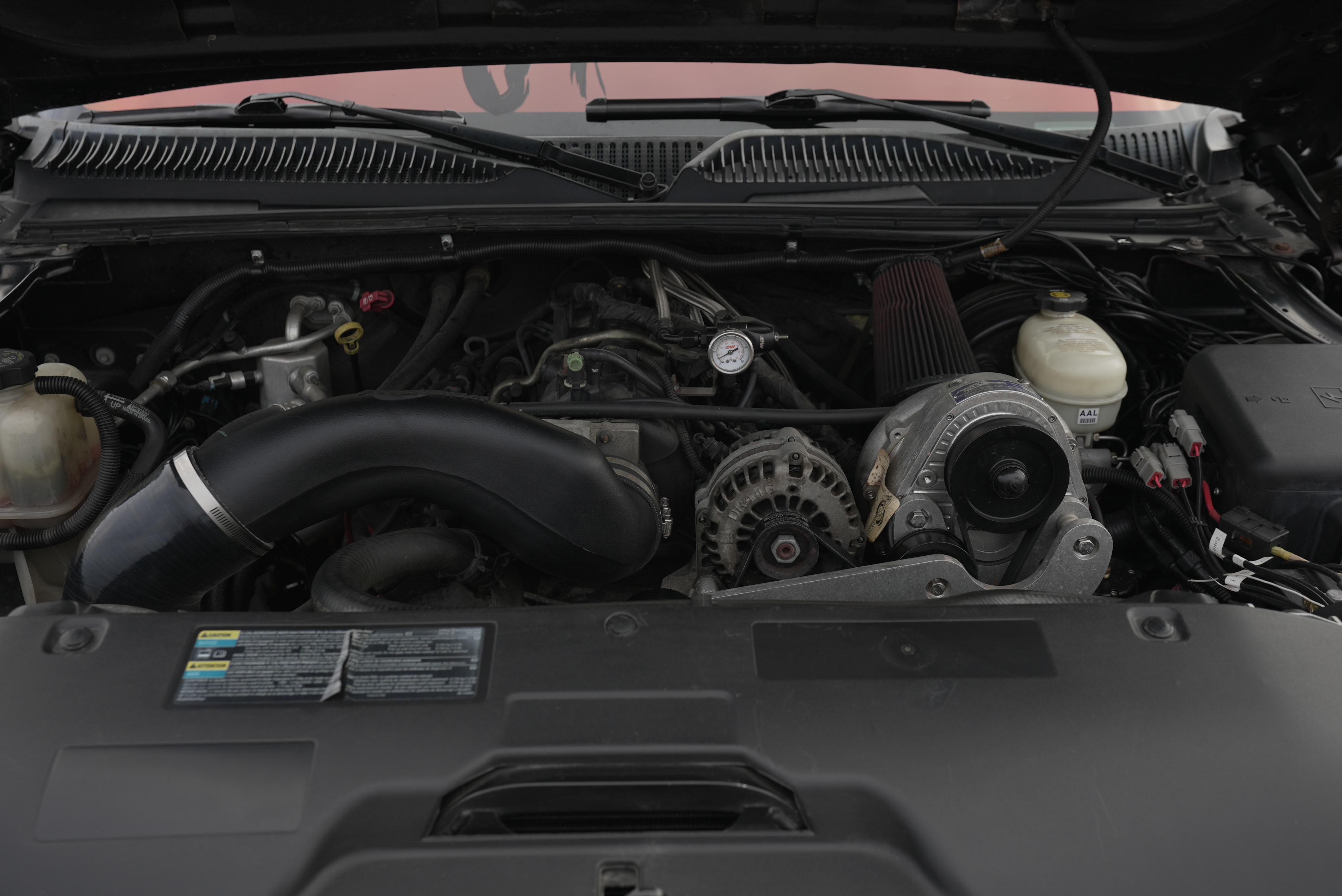
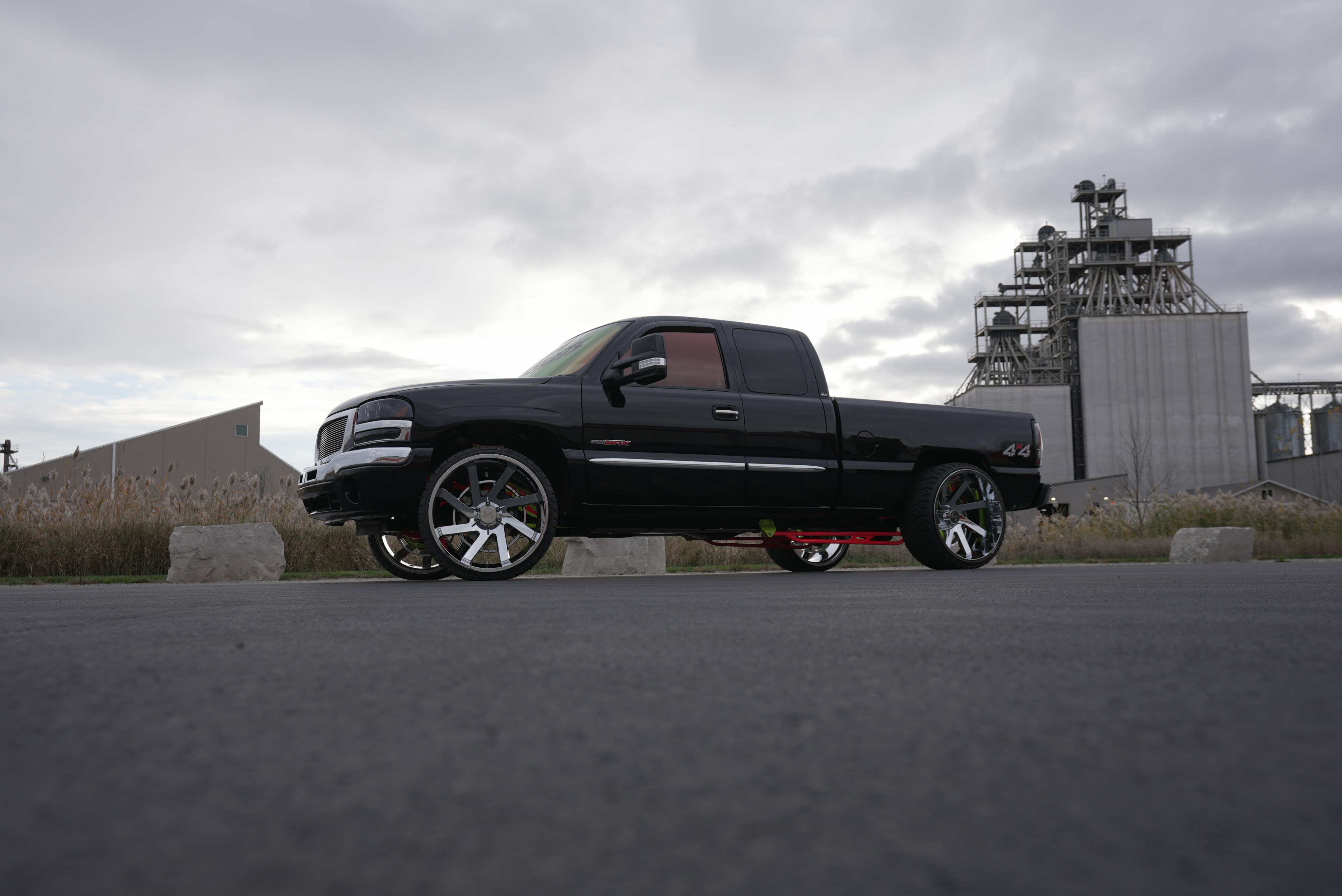
This guide walks the stack in order: airflow, cooling, tuning. Everything here is framed around street-legal, 50-state options. We will keep pointing at our '06 Sierra Burnout Build as the example, because it went through this exact order.
Airflow first. Intake and exhaust are a pair, so do them together.
Cooling second. It is what keeps the power usable when you tow or haul.
Tuning last. A tuner calibrates the parts you already put on, so it has nothing to do until they are there.
Shop 50-state legal by default. Emissions rules vary by state, and the right parts carry a CARB EO number.
Airflow First: Intake and Exhaust Work as a Pair
Your engine is an air pump. Air comes in, fuel burns, exhaust goes out. Make one side flow better and you get something. Make both flow better and you get more than the sum of those parts. That is why intake and exhaust are step one, and why doing one without the other leaves power on the table.
What does a cold air intake do?
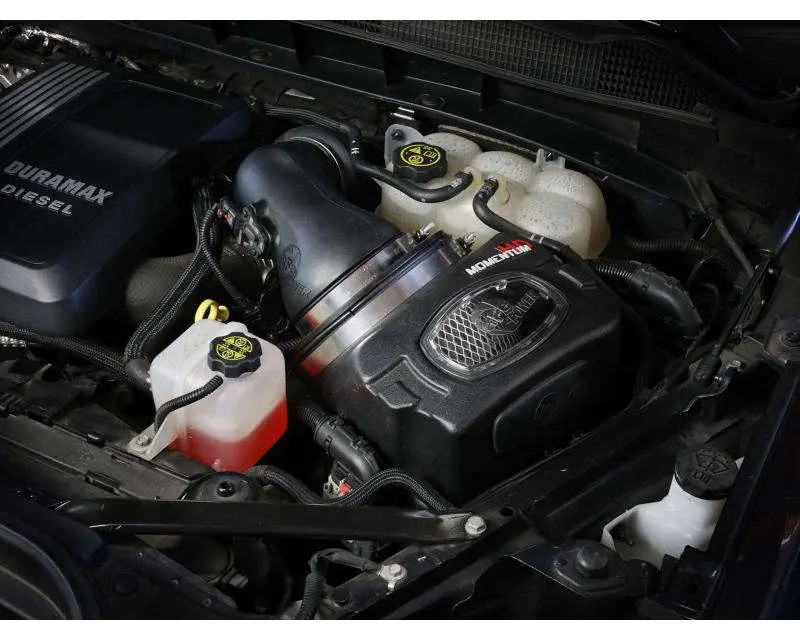
A cold air intake replaces the factory airbox and filter with a less restrictive setup that pulls air from outside the engine bay. Cooler air is denser air. Denser air carries more oxygen per gulp, which means a cleaner burn.
What you feel: sharper throttle response and a deeper intake sound when you get on it. What you do not feel: a big jump in power. An intake on its own is a modest gain. It earns its keep as the foundation for the exhaust and the tune that follows. We carry aFe Power, S&B Filters, and Injen, among others. Shop cold air intakes.
Does exhaust add horsepower?
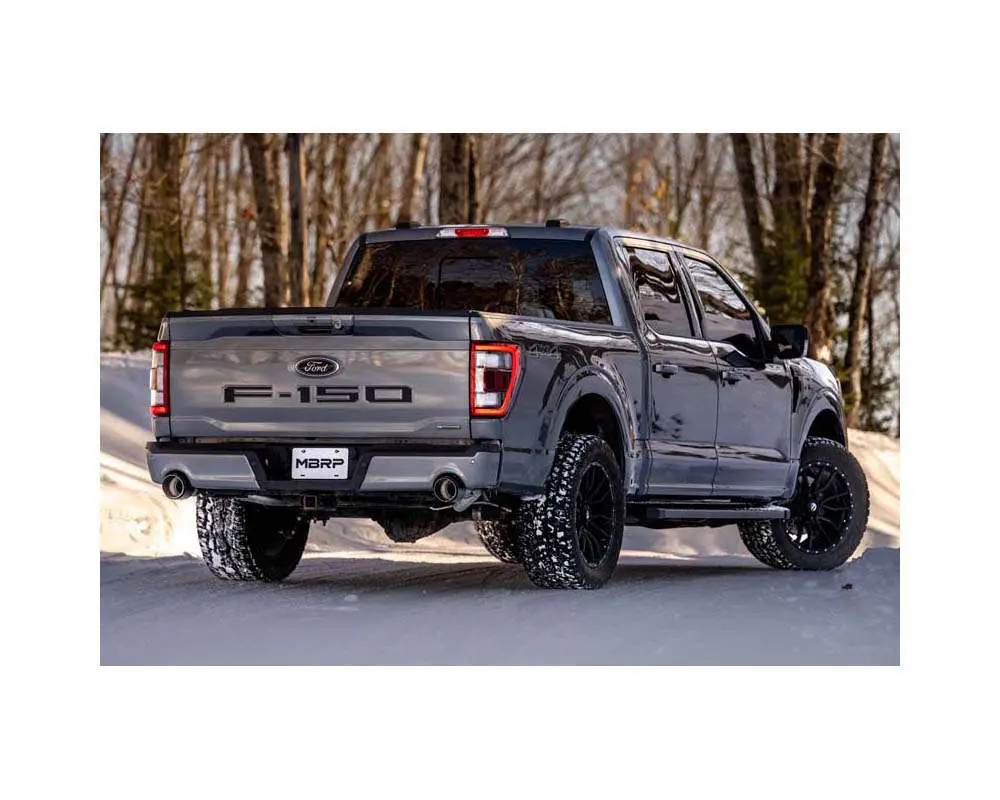
Some. The real payoffs are elsewhere. A cat-back exhaust replaces everything behind the catalytic converter with larger piping and a freer-flowing muffler. It cuts backpressure, moves heat out faster, and gives the truck the sound you bought it for.
MBRP carries this section for us. Their systems come in a few flavors, from a single rear exit that sounds like a truck to a dual exit that announces itself from two blocks out. Both bolt on. Neither touches your emissions equipment, and that matters. We will get to why in the tuning section. Shop cat-back exhaust systems or browse the MBRP lineup.
Cooling: The Part That Keeps Power Usable When You Tow or Haul
Power you cannot use is just a number. Heat is what takes it away. Pull a trailer up a grade on a hot day and watch the gauges climb. The engine pulls timing, the transmission hunts, and the truck feels tired. Cooling upgrades fix that.
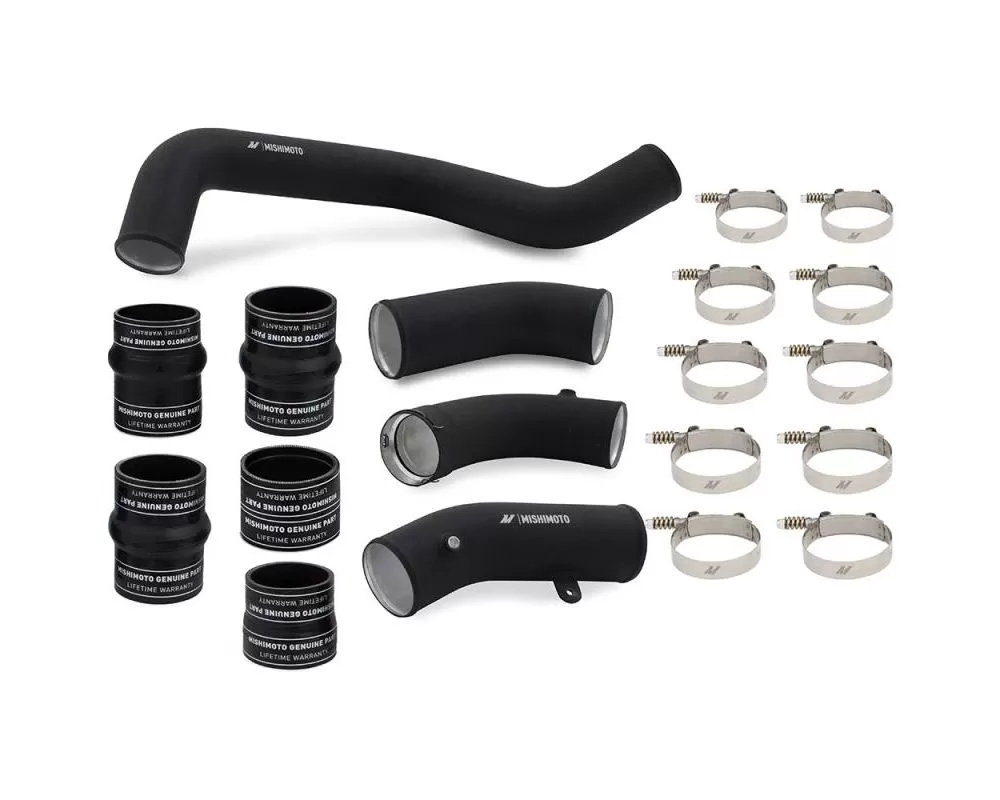
A radiator with more core capacity holds coolant temps steady under load. An intercooler upgrade, on turbocharged and diesel trucks, keeps intake air cool so the engine keeps making power on the long pulls. An oil cooler protects the engine when it is working hardest. A transmission cooler for towing is the one most people skip and the one that saves the most expensive part in the truck.
Mishimoto carries cooling for us. Radiators, intercoolers, oil and transmission coolers, all direct fit. On a half-ton that tows now and then, start with the transmission cooler. On an HD that tows for a living, do the radiator and intercooler first. Shop cooling upgrades or browse Mishimoto.
Not sure what fits your truck? Pick your year, make, and model and we will show you.
Find Your Fit Shop PerformanceTuning: The Piece That Ties the Hardware Together
Here is why a tuner comes last. Your engine runs on a factory calibration built for stock parts. Change the parts and the calibration is no longer right. A tuner fixes that. Put one on first and it has nothing to work with.
What does a tuner do for a truck?
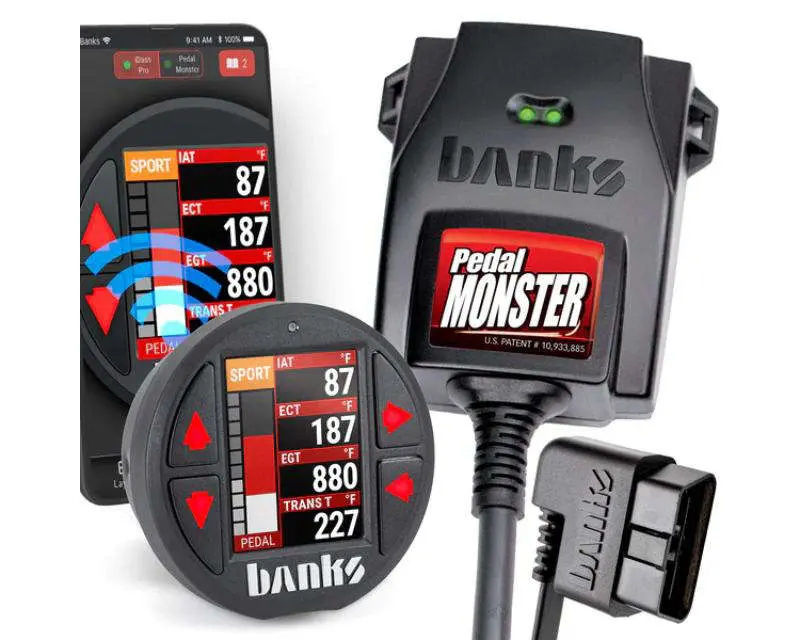
A truck tuner rewrites the engine's map: fueling, timing, throttle response, shift points. It also corrects your speedometer after a bigger tire swap, which matters if you read our tire guide and went up a size. With the intake and exhaust already on, the tune makes them work together. We carry Banks Power, Bully Dog, DiabloSport, SCT, and Superchips.
The fine print, and it is not optional. Emissions-related tuning is regulated, the rules vary by state, and some states check. Any tuner or exhaust that touches emissions equipment needs a CARB Executive Order number to be street legal. Shop by 50-state legal as your default. Some tunes can affect your factory warranty, so read before you flash. We keep power claims general on purpose; gains depend on the truck, the parts, and the tune.
What to Do First on Your Truck
If you want the short answer, here it is.
Transmission cooler, then intake, then cat-back, then a 50-state tune. You will feel the throttle, hear the exhaust, and the truck will stay cool doing real work.
Intake and cat-back together, then cooling, then the tune. That is the order the '06 Sierra went through, and it is why the 6.0 Vortec in it now runs as hard as it looks.
The platform does not change the order much. A Silverado, a Ram 1500, and an F-150 all start in the same place. What changes is how far you take each step.
Truck Performance Upgrade FAQ
What is the first performance upgrade I should do on my truck?
Start with airflow. A cold air intake and a cat-back exhaust work as a pair, so do them together. If you tow, put a transmission cooler ahead of both.
Are cold air intakes worth it?
On their own, they are a modest gain with better throttle response and sound. They are worth it as the foundation for the exhaust and tune that follow.
Are performance tuners legal?
It depends on the tune and your state. Tuners and exhaust that touch emissions equipment need a CARB Executive Order number to be street legal. Shop by 50-state legal as your default and check your state's rules.
Do I need cooling upgrades if I don't tow?
Not right away. Cooling matters most under sustained load. If the truck is a daily that never pulls a trailer, airflow and a tune come first; add cooling when you add power.
A Truck That Runs Better Still Needs the Stance to Match
Under-the-hood work is one part of the build. The truck that pulls harder and sounds right still needs suspension that holds it steady and wheels and tires that fit without rubbing.
Start with the performance category. Then run your truck through the year-make-model tool to see what actually fits. Suspension and wheels and tires are the next step, and the gallery shows you both on a truck like yours. Financing, free shipping to the lower 48, and our fitment guarantee come standard. Build it right, in the right order.