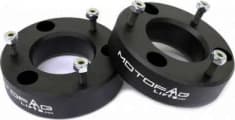
Custom Offsets carries everything the 2016 Tacoma needs to go from stock to show-ready or trail-capable: suspension lift kits, leveling kits, wheels and tire packages, performance bolt-ons, lighting, and exterior and interior accessories, all with fitment verified across thousands of real Tacoma builds in Our Gallery.
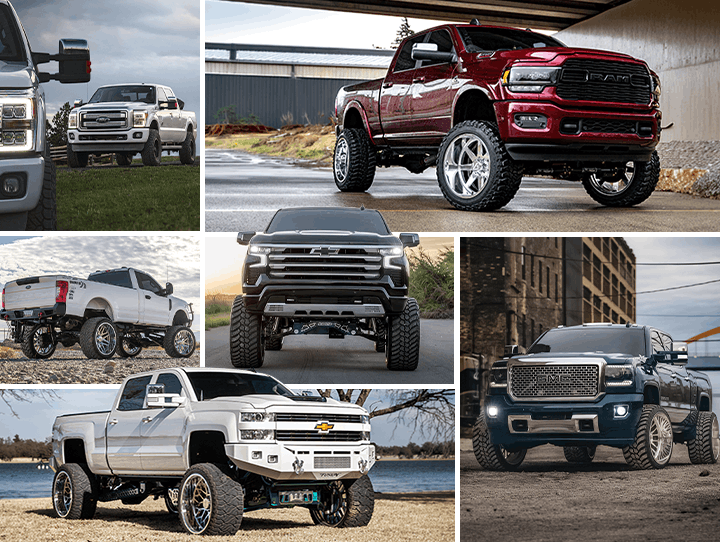
Wheels, tires, and suspension — the complete package for your build. From leveling kits to 12” lifts, paired with the wheels and tires to match. Every setup backed by guaranteed fitment.
See what other owners are running on their 2016 Toyota Tacoma – real fitment data from real trucks.
No scripts. No call centers. Our team builds and drives the same trucks you do — every recommendation comes from real-world experience. We’re not selling you a part, we’re helping you build your truck.



The third-generation Tacoma arrived for the 2016 model year and ran through 2022, carrying the mid-size truck segment on its back the entire time. Built on a reinforced high-strength steel frame with updated suspension geometry, it came in Access Cab and Double Cab configurations with short or long bed options. Two engines powered the lineup: a 2.7-liter inline-four for the budget-conscious buyer and the more popular 3.5-liter V6 with Toyota's D-4S dual-injection system that switches between port and direct injection on the fly. The trim ladder runs from the base SR all the way up through SR5, TRD Sport, TRD Off-Road, Limited, and the range-topping TRD Pro, which shipped from the factory with FOX Internal Bypass shocks and a TRD cat-back exhaust. A 2020 facelift refreshed the exterior and added Apple CarPlay and Android Auto. In 2022, the Trail special edition arrived in Army Green with heritage bronze wheels, a nod to classic Toyota 4WD pickups. The 6x5.5 bolt pattern, independent front suspension, and a massive aftermarket ecosystem make this generation one of the most build-friendly mid-size trucks on the road.
The 2016 Tacoma leaves the factory with a noticeable front rake, the nose sitting lower than the bed to account for payload and tow squat. A leveling kit raises the front to sit even with the rear, eliminating that factory dip and giving the truck a cleaner, more aggressive stance right away. At this height, the typical wheel range stays in the 17-to-20-inch territory, and tire sizes up to about 33 inches are on the table. Most leveled builds run 17x9 wheels at a -12 offset on 285/70R17 all-terrain tires, and the majority bolt on clean, though some need minor trimming and a slight rub at full lock is common. For the cleanest leveled fit our customers have documented, a 17x8.5 at +0 on 285/70R17 tires is the go-to: it almost always bolts on clean with no rubbing reported. Offset choices at this tier typically run from a mild +0 down to around -44 for builders who want more poke, with most landing near -12.
A 3-to-4-inch suspension lift opens the Tacoma up to a noticeably more capable and aggressive stance. New shocks or struts matched to the added height are the core of any kit at this level, and many full kits include upper control arms to correct ball-joint geometry after the front end rises. The wheel range stays consistent with the leveled setup, 17 to 20 inches, but the real story is tire size: 33-inch tires are the clear target here, with 285/70R17 all-terrain tires showing up across the most popular builds. A 17x9 at -12 on 285/70R17 tires over a 3-inch lift is the setup our customers reach for most at this height, and most bolt on clean, though some need minor trimming. A 17x8.5 at +0 on 285/70R17 tires is the cleaner alternative, with most bolting on clean and a few needing only minor work. Offset stays in a similar band to the leveled tier, with most builders landing near -12.
A 6-inch suspension lift is where the 2016 Tacoma transforms into a proper show truck or serious trail build. Kits at this height include longer shocks valved for the added travel, and often upper control arms to restore front-end geometry and CV angles. This is the tier where offsets get aggressive: most builders run somewhere in the -44 range, and the typical spread runs from around -12 down to -76 for serious poke. Wheel diameters climb to 20 and 22 inches, and tire sizes push into 33-to-35-inch territory. The most popular setup our customers run at this height is a 20x12 at -44 on 33x12.50R20 all-terrain tires, and most bolt on clean with some needing minor trimming. Stepping up to 35x12.50R20 tires on the same wheel is the aggressive edge of this tier: it's a real mixed bag, with some bolting on clean, plenty needing a trim, and a few cutting more with a touch of rub at full lock. A 22x12 at -44 on 33x12.50R22 tires is the 22-inch alternative, with most bolting on clean and some needing minor trimming.
Both the 2.7-liter four-cylinder and the 3.5-liter V6 respond well to a cold air intake. The upgrade pulls cooler, denser air from outside the engine bay rather than recycling warm underhood air, which sharpens throttle response and adds a more pronounced induction sound under acceleration. On the 3.5-liter V6 with D-4S dual injection, the improved airflow complements the engine's ability to switch between port and direct injection modes. The result is a more responsive pedal and a more engaging sound without touching anything else.
A cat-back exhaust replaces everything downstream of the catalytic converter, leaving the cat itself in place. On the 3.5-liter V6, the upgrade frees up exhaust flow and adds a deeper, more aggressive note that suits the truck's character. The 2.7-liter four-cylinder gets a sportier, more present tone. The TRD Pro already ships with a factory cat-back, so owners of other trims are the primary audience here. The improvement is audible from idle and more pronounced under load, without the drone that comes with more aggressive setups.
Beyond intake and exhaust, the 2016 Tacoma has a solid catalog of supporting bolt-ons. Air filter upgrades are an easy first step for either engine. On the 3.5-liter V6, the direct-injection side of the D-4S system makes an oil catch can a worthwhile addition: it intercepts oil vapor in the PCV system before it can deposit on the intake valves, a documented long-term concern on direct-injected engines. Ring and pinion gear swaps are popular for builders running larger tires, re-gearing the axles to restore the power delivery and fuel efficiency that bigger rubber takes away. Differential upgrades, including locking differentials, are a natural next step for the off-road path. A supporting ECU tune gets the most out of the intake and exhaust combination.
The 2016 Tacoma has a strong platform for both show-presence upgrades and trail-ready functional builds, and the exterior and interior catalog reflects both paths.
For the show build, the Tacoma's front end takes well to projector or LED headlight retrofits with halo or sequential DRL accents, giving the truck a sharp, modern look day and night. Tail light upgrades with sequential signals carry that character to the rear. Rock lights mounted under the frame and axles are a popular addition for show trucks, putting the suspension hardware and lift on display at meets. Underbody lighting adds presence at night and highlights the lift and wheel gap. For the off-road and trail build, the Tacoma's factory fog light openings are a natural starting point for upgraded LED pods. Ditch lights mounted at the A-pillars throw focused light to the sides of the trail, covering the blind spots a bumper-mounted bar misses. A roof-mounted LED light bar delivers maximum forward throw for night driving. The TRD Pro trim already ships with factory Rigid Industries LED fog lights, so owners of other trims have the most to gain here.
On the show side, a front bumper swap is one of the highest-impact exterior moves on the Tacoma: aftermarket front bumpers are available in a range of styles from clean and low-profile to aggressive with integrated light mounts. Fender flares extend coverage past the factory bodyline to catch the rocks and mud the tires kick up, protecting the paint while giving the truck a wider, more planted look. Grille swaps are popular across the trim range, and the Trail special edition's heritage bronze grille has inspired a lot of 2016 owners to chase a similar retro-modern look. Nerf bars and power steps address the lifted truck's added step-in height. Bed covers, bed racks, and bed storage systems keep the cargo area organized for daily use. Roof racks open up overland-style storage for the trail-build crowd. Inside, all-weather floor liners are the first move for any Tacoma owner: the truck gets used, and the floors show it. Seat covers protect the upholstery on work trucks and trail rigs alike. Interior trim kits and dash accents are popular on the higher trims for owners who want a more finished cabin feel.
Good: A leveling kit raises the front to eliminate factory rake and levels the truck front-to-rear, with no additional geometry correction needed. Better: A 3-to-4-inch suspension lift with new shocks matched to the added height, often paired with upper control arms to restore front-end geometry. Best: A 6-inch suspension lift with fully valved shocks, upper control arms for geometry correction, and supporting hardware for CV angles and alignment.
Good: A cold air intake or air filter upgrade for sharper throttle response and better induction sound on either engine. Better: Cold air intake plus a cat-back exhaust for improved flow and a more aggressive exhaust note, with a supporting ECU tune to optimize the combination. Best: Full intake and exhaust system, ring and pinion re-gear for larger tires, differential upgrades, and an oil catch can on the 3.5-liter V6 for long-term intake valve protection.
Good: Fender flares, mud flaps, and a bed cover for protection and daily utility, with a grille swap for a fresh look. Better: Front bumper upgrade, nerf bars or power steps, upgraded LED headlights with halo or sequential DRL accents, and fog light pod upgrades. Best: Full front and rear bumper package, fender flares, roof rack or bed rack, ditch lights or a roof-mounted light bar for the trail build, or rock lights and underbody lighting for the show build.
Good: All-weather front and rear floor liners and seat covers for daily protection. Better: Liners, seat covers, interior trim accents, and rock lights or interior LED upgrades for night presence. Best: Full interior protection package with premium seat covers, complete floor liner set, interior storage solutions, and a head unit upgrade for connectivity.
Good: 17x9 at +0 on 285/70R17 all-terrain tires on stock suspension. This setup almost always bolts on clean with most reporting no rubbing, the cleanest documented fit at this level. Better: 17x9 at -12 on 285/70R17 all-terrain tires with a leveling kit. Most bolt on clean, though some need minor trimming and a slight rub at full lock is common. Best: 20x12 at -44 on 33x12.50R20 all-terrain tires on a 6-inch suspension lift. Most bolt on clean with some needing minor trimming, and the deep -44 offset pushes the wheel face out for real poke and presence.
Good: Clean, capable, and practical. The truck looks intentional without screaming for attention, a solid daily that's ready for the weekend. Better: Aggressive street presence with real trail capability. Noticeable everywhere, drives great, and handles whatever comes up. Best: Show-truck intent with maximum visual presence. Built to be seen, built to turn heads, and documented across thousands of builds in Our Gallery.
It depends on your goal. Builders chasing stance and presence often start with a leveling kit or lift paired with wheels and tires, since that changes the look immediately. Builders focused on trail capability might start with suspension and re-gearing. Performance-first owners start with intake and exhaust. There's no single right order: start with the category that matters most to your build, and our team can help you map out the rest.
Yes. Get pre-approved before you start building your cart so you know your budget going in. Pre-approval is fast and lets you shop with confidence instead of guessing at checkout. Financing options are available on wheels and tire packages, suspension kits, and accessories, so you can do the full build now and pay over time rather than piecing it together one part at a time.
Absolutely. Our team handles both sides: fitment questions like which offset clears your fenders at a given lift height, and install questions like how mods stack, what hardware you need, and the right sequence for a lift and wheel swap. The 2016 Tacoma is one of the most documented platforms in Our Gallery, so we have real build data to back up every recommendation we make.
Because we own the fitment. Our Gallery has thousands of real 2016 Tacoma builds with verified wheel, tire, offset, and suspension data, so you're not guessing whether a setup clears your fenders. We sell mounted-and-balanced wheel and tire packages ready to bolt on, and our team knows this platform inside and out. You get the right parts the first time, backed by a community of builders who've already run the setup on a truck like yours.