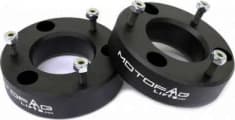
Custom Offsets carries suspension, wheels and tires, performance upgrades, lighting, and exterior and interior accessories built for the 1993 K1500 Suburban. Real fitment data, real builds from our community, and a team that knows this platform inside and out.
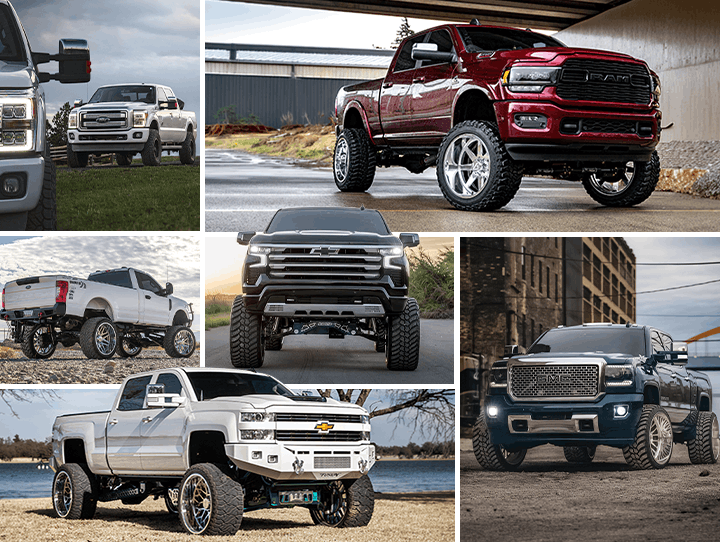
Wheels, tires, and suspension — the complete package for your build. From leveling kits to 12” lifts, paired with the wheels and tires to match. Every setup backed by guaranteed fitment.
See what other owners are running on their 1993 Chevrolet K1500 Suburban – real fitment data from real trucks.
No scripts. No call centers. Our team builds and drives the same trucks you do — every recommendation comes from real-world experience. We’re not selling you a part, we’re helping you build your truck.



The eighth-generation Chevrolet K1500 Suburban ran from 1992 through 1999 on the GMT400 architecture, the same platform that underpins the C/K pickup trucks of the same era. This generation was a landmark: it introduced independent front suspension to 4WD Suburban models for the first time, using torsion bars up front and a live axle with leaf springs out back. That torsion-bar front end is a builder's best friend, offering easy ride-height adjustment and a solid foundation for lift kits. Engine choices are the 5.7L V8 and, from 1994 onward, the 6.5L turbodiesel V8. The 1996 model year brought updated Vortec-series gasoline engines, a meaningful mid-generation upgrade. Trims ran from Base through LS, LT, and Silverado, all sharing the same 6x5.5 bolt pattern and 16-inch factory wheels. The GMT400 Suburban is a proven, well-documented platform with a huge aftermarket and a loyal builder community. Our Gallery is full of these trucks built every way imaginable, from clean leveled dailies to full-blown show trucks on 22-inch wheels.
The GMT400 K1500 Suburban leaves the factory with a noticeable front-end rake, the nose sitting lower than the rear. A leveling kit raises the front to eliminate that rake and bring the truck level front-to-rear, opening a little extra clearance for a larger wheel-and-tire package up front. At this height, our customers most often run 22-inch wheels at a -18 offset on 33-inch tires, with the typical offset range running from around +31 down to -48. Most of those setups need minor fender trimming; a few bolt on clean, and a few need a bit more work. The torsion-bar front suspension on these trucks makes leveling especially straightforward: a torsion-bar key crank or a set of aftermarket torsion keys dials in the height without replacing the entire front suspension.
A 3-to-4-inch suspension lift on the K1500 Suburban opens the door to 33-inch tires across the board, with most setups bolting on clean and a few needing minor trimming. Wheel diameters from 15 through 20 inches all work here, and offsets typically run from around +0 down to -76, with most builders landing near -38. A full lift at this height means new shocks matched to the added height, geometry-correction hardware to restore proper front-end angles, and often a differential drop to keep CV angles in check. The torsion-bar front end responds well to this height, and the result is a truck that sits noticeably taller without going into extreme territory.
This is where the K1500 Suburban gets serious. A 6-inch suspension lift is the most popular aggressive build on this platform, and Our Gallery backs that up with a huge number of documented builds. At this height, 35-inch tires are the go-to, with the most popular setups running 20x12 -44 on 35x12.50R20 or 22x12 -51 on 35x12.50R22. Most of those builds need minor fender trimming, and a slight rub at full lock is common. Offsets get aggressive here, with most builders running around -44 and the typical range spanning from around +19 down to -76. A full lift at this height means longer shocks, geometry-correction hardware including upper control arms on many kits, and a differential drop to manage CV angles. Push to an 8-inch-plus lift and the platform reaches 40-inch tire territory: our customers have documented 24x12 -51 wheels on 40x15.50R24 tires over an 8-inch lift, the kind of build that stops people in the lot.
Both the 5.7L V8 and the 6.5L turbodiesel respond to improved induction. An aftermarket air intake replaces the restrictive factory airbox with a larger-diameter tube and a high-flow filter, pulling cooler, denser air into the engine. On the 5.7L Vortec, the result is a more responsive throttle and a noticeable induction sound under hard acceleration. On the 6.5L diesel, freer breathing helps the turbo spool more efficiently. These are among the easiest bolt-ons on the GMT400 platform and a natural first step for either engine.
The 5.7L V8 in the K1500 Suburban has a naturally strong exhaust note that a cat-back system brings out further. A cat-back replaces everything downstream of the catalytic converter, leaving the cat itself in place, and opens up flow for a deeper, more aggressive tone under load. On the 6.5L turbodiesel, a turbo-back exhaust (everything downstream of the diesel particulate filter) reduces backpressure and trims weight; the benefit here is breathing and flow, not a louder note. Both engines have a worthwhile exhaust path, just framed differently by what each engine responds to.
The GMT400 drivetrain has a deep aftermarket. Differential upgrades, ring and pinion gear swaps, and axle work are all well-supported for this platform, and re-gearing is a popular move when stepping up to larger tires to keep the truck pulling strong. Ignition upgrades, coil packs, and spark plug swaps are straightforward bolt-ons that restore or improve combustion efficiency on high-mileage examples. Throttle body upgrades and fuel system components round out the bolt-on picture for the 5.7L. For builders going deeper, camshaft and valvetrain work is well-documented on the small-block V8. A supporting tune helps the engine management get the most out of any combination of breathing and drivetrain mods.
On a lifted GMT400 Suburban, lighting and exterior work is where the build's character comes together: updated headlights and tail lights for a cleaner look, accent lighting for night presence, and exterior hardware that matches the stance the suspension creates.
The K1500 Suburban's square headlight housings are a natural starting point for a lighting refresh. Upgraded headlight assemblies with projector or LED internals sharpen the output and modernize the front end. Tail light upgrades clean up the rear. For the show-truck path, underbody lighting shows off the suspension hardware underneath, and grille-integrated accent lighting adds presence at night. Rock lights mounted to the undercarriage serve the off-road build, throwing light to the sides and underneath for trail visibility. For builders running the truck hard off-road, a bumper-mounted LED light bar or a set of ditch lights adds serious forward throw for night trail use. Fog lights are a straightforward upgrade that improves visibility in low-visibility conditions and suits both build paths.
The GMT400 Suburban's boxy body wears aftermarket front bumpers well, and a winch-mount bumper is a natural fit for the off-road build, adding recovery capability and a more aggressive front-end profile. Fender flares extend coverage over wider-than-stock tires, protecting the paint and body from the rocks and mud the tires kick up. Running boards and nerf bars make entry and exit easier on a lifted truck. Grille replacements and hood accessories update the front-end look. For the interior, custom floor liners protect the factory carpet from the mud and debris that comes with a truck that actually gets used. Dash covers and interior trim kits freshen up a cabin that is now 25-plus years old. Seat protection keeps the upholstery in shape. Roof racks add cargo-carrying capability for the truck that hauls gear on weekends.
Good: Torsion-bar leveling kit to eliminate factory rake and level the front with the rear, paired with stock shocks. Better: 3-to-4-inch suspension lift with new shocks matched to the added height and geometry-correction hardware to restore front-end angles. Best: 6-inch-plus full suspension lift with longer shocks, upper control arms, differential drop, and full geometry correction for aggressive stance and maximum tire clearance.
Good: Cold air intake for improved throttle response and induction sound on the 5.7L, or freer breathing on the 6.5L diesel. Better: Intake plus a cat-back exhaust on the V8 (or turbo-back on the diesel) for improved flow across the system, paired with ignition and spark plug upgrades. Best: Full bolt-on combination including intake, exhaust, throttle body, fuel system, and drivetrain re-gearing to match larger tires, with a supporting ECU tune to optimize the whole setup.
Good: Upgraded headlights, tail lights, and floor liners for a clean, functional refresh. Better: Aftermarket front bumper, fender flares, running boards, and grille upgrade, with underbody accent lighting for night presence. Best: Full exterior package with a winch-mount bumper, fender flares, hood upgrade, rock lights or a bumper-mounted light bar, and a complete lighting refresh front and rear.
Good: Custom front and rear floor liners to protect the factory carpet. Better: Liners plus dash cover, interior trim kit, and seat protection for a refreshed and protected cabin. Best: Full interior package with premium floor and cargo liners, updated interior trim, seat covers, and storage accessories throughout.
Good: 22x12 -44 with 36x13.50R22 on stock suspension, a bold, aggressive stance that almost always needs minor metal trimming and most owners report no rubbing. Better: 22x10 -18 with 33x12.50R22 on a leveling kit, a clean, capable look with minor fender trimming for most builds. Best: 20x12 -44 with 35x12.50R20 on a 6-inch suspension lift, the most popular aggressive build on this platform; most runs need minor fender trimming, some fit clean, and a slight rub at full lock is common.
Good: Bold presence on stock suspension, a truck that turns heads without touching the ride height. Better: Leveled and capable, a daily driver that looks intentional and sits right. Best: Full show-truck intent, lifted and aggressive, built to be seen and proven across thousands of builds in Our Gallery.
It depends on your goal. If presence and stance are the priority, wheels and tires make the biggest visual impact right away and Our Gallery shows exactly what real builds on this platform look like. If you want to run bigger tires, suspension is the logical entry point. Performance bolt-ons like an intake or exhaust are a great standalone upgrade at any stage. Most builders start where their budget and goals align, not in a fixed order.
Yes. Get pre-approved before you start building your cart so you know your budget going in. Pre-approval is fast and lets you plan the full build, suspension, wheels and tires, lighting, and accessories, without guessing at what you can spend. Financing options are available at checkout, but knowing your approval amount first makes the whole process smoother.
Absolutely. Our team handles both sides: fitment questions like which offset clears your lift height, whether a specific tire size rubs at full lock, and what spacers if any are needed, and install questions like how mods stack together, what hardware is required, and the common gotchas on the GMT400 platform. Call or reach out and we will walk you through it.
Our Gallery has real builds from K1500 Suburban owners running the exact setups you are considering, so fitment is not a guess. Our team knows the GMT400 platform and can confirm what fits your specific lift height and configuration. We sell mounted-and-balanced wheel and tire packages shipped ready to bolt on, and our fitment data is verified across thousands of real builds, not catalog estimates.